.png)
Permanent Lighting vs Seasonal Christmas Light Installation in Edmonton

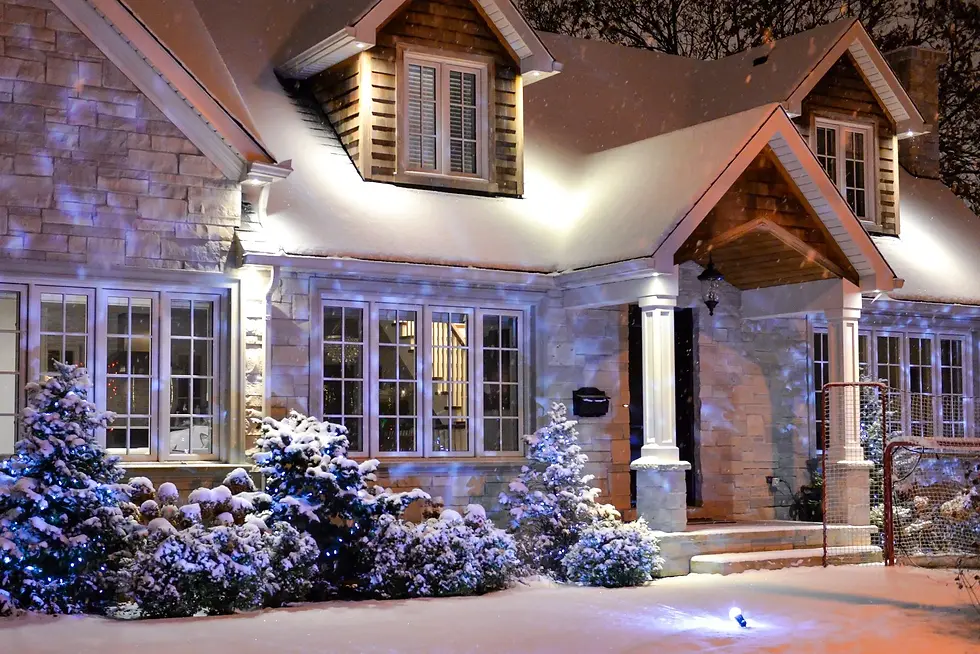
Permanent lighting and seasonal Christmas light installation differ in initial commitment, recurring work, total ownership cost, and control. Seasonal lights generally suit shorter-term or changing needs, while permanent systems eliminate annual installation and offer year-round programming. Pane Relief Window Cleaning & Permanent Lighting installs permanent roofline systems for Edmonton homeowners seeking a long-term option.
How the Two Systems Differ Structurally and Operationally
Seasonal Christmas lighting typically uses removable strands, clips, extension cords, timers, and temporary electrical connections. The lights are installed for a limited period, removed after the season, and stored until the following year. Homeowners either complete this cycle themselves or pay for annual installation and removal.
Permanent lighting uses LED nodes fitted into an aluminum track mounted along the roofline or soffit. Weather-sealed low-voltage wiring connects the lights to a driver and controller. The track remains in place throughout the year and is colour-matched to reduce its visibility when the lights are off.
Control options vary between products. Some seasonal lights offer app-based controls, while basic systems use plug-in timers. Permanent systems commonly provide more integrated control over colours, brightness, scenes, and schedules.
RGB lights create colours by combining red, green, and blue channels. RGBW systems add a dedicated white-light channel, which can provide a more natural white for everyday accent lighting. The actual white quality, colour range, and available effects depend on the selected system.
Pane Relief Window Cleaning & Permanent Lighting provides permanent lighting installation in Edmonton using RGB or RGBW LEDs, colour-matched tracks, hidden low-voltage wiring, app controls, and CSA-approved components.
Homeowners should also ask how the controls respond to an internet outage, Wi-Fi interruption, or router replacement. Some features may operate locally, while others may depend on network or cloud access. This capability should be confirmed for the specific controller rather than assumed.
Upfront Cost vs Long-Term Investment Analysis
Seasonal lighting usually has the lower first-year cost, especially when the homeowner owns suitable lights and completes the work. Permanent lighting requires a larger initial investment because it includes the lighting system, custom track, electrical components, layout planning, and professional installation.
The meaningful comparison is total ownership cost over the period the homeowner expects to use the system. Seasonal costs can include annual installation, removal, storage, service calls, replacement strands, attachment hardware, and the homeowner’s time. Permanent costs include installation, electricity, maintenance, and repairs outside warranty coverage.
Permanent lighting reaches its financial break-even point when its total cost becomes lower than the accumulated cost of continuing with seasonal lighting. There is no universal break-even year. Roofline coverage, annual service charges, equipment ownership, expected repairs, operating habits, and the homeowner’s remaining time at the property all affect the result.
A useful estimate starts with the permanent installation cost and compares it against the difference between the two options’ yearly costs. For example, annual seasonal installation, removal, storage, and replacement expenses should be reduced by the estimated annual electricity and maintenance costs of the permanent system. Dividing the initial investment by that annual difference produces an approximate break-even period.
Financing or payment terms may reduce the immediate burden of a permanent installation, but they do not necessarily reduce its total cost. Interest, fees, and payment duration should be evaluated separately from long-term savings.
Electricity use also varies. LED wattage, brightness, animation settings, operating hours, and the number of installed lights influence consumption. A fair comparison should use similar operating schedules rather than assuming both systems use the same amount of electricity.
Installation and Equipment Costs
A permanent installation commonly includes LED nodes, custom-fitted track, low-voltage wiring, a driver, a controller, mounting hardware, layout planning, and labour. Roofline length, peaks, gables, soffit construction, available power, controller placement, and difficult access areas affect the scope.
The existing electrical supply must also be assessed. Outlet location, circuit capacity, weather protection, controller requirements, and cable routing can affect the installation. Any work involving the home’s fixed electrical system must follow applicable electrical requirements and be completed by an appropriately qualified person where required.
A seasonal system uses removable strands and temporary attachment hardware. A professional service may supply and retain ownership of the lights, lease them for the season, or install homeowner-owned equipment. The proposal should specify equipment ownership and whether testing, maintenance, removal, replacement, and storage are included.
Coverage must be equivalent when comparing proposals. A seasonal quote covering only the front eaves cannot be compared directly with a permanent system covering peaks, gables, and multiple elevations. Roofline length, node or bulb spacing, lighting type, electrical scope, and included services should align as closely as possible.
Ongoing Annual Installation Expenses
Professional seasonal lighting creates recurring installation and removal expenses. Storage, mid-season service, replacement equipment, and layout changes may be included or billed separately. Fully managed programs can make these costs more predictable by including equipment, maintenance, removal, and storage in one annual service.
Homeowners who install seasonal lights themselves avoid professional labour charges but accept responsibility for testing, ladder work, setup, removal, repairs, and storage. This can make seasonal lighting economical for someone with suitable equipment who can complete the work safely.
Permanent lighting removes scheduled annual installation and removal expenses. It may still require occasional inspection, troubleshooting, cleaning, or repair access. Homeowners should confirm whether the app and standard controller functions are included or whether any optional features carry ongoing charges.
Repair and Replacement Considerations
Seasonal lights are handled, transported, clipped, removed, and stored every year. Repeated handling can lead to broken bulbs, damaged insulation, loose connections, missing clips, and tangled strands. Matching the colour and brightness of older strands can also become difficult if a product is discontinued.
Permanent systems avoid handling and storage damage but remain exposed throughout the year. Homeowners should confirm whether individual nodes, lighting sections, drivers, and controllers can be replaced without replacing the entire installation. Continued access to compatible parts matters for a system intended to remain in use for several years.
Warranty terms should identify the coverage period, including parts, labour conditions, service-call process, and transferability. They should also explain how product failures are distinguished from physical damage, severe weather, unauthorized modifications, network problems, or interference by another contractor.
Pane Relief Window Cleaning & Permanent Lighting states that warranty coverage is available for parts and labour. The specific term, exclusions, repair process, and replacement-part availability should be confirmed in the installation agreement.
Performance in Edmonton’s Climate
Neither system is automatically suitable for Edmonton winters. Performance depends on component ratings, connection protection, mounting quality, cable routing, electrical supply, and installation location.
A permanent system avoids the annual handling that damages many temporary strands, but it remains exposed to ultraviolet light, moisture, wind, and temperature changes throughout the year. Seasonal lights have a shorter exposure period but experience repeated installation, removal, and storage.
For either option, homeowners should confirm the manufacturer’s operating-temperature range, moisture rating, approved installation location, and applicable warranty conditions. A weather-resistant component must still be installed according to its instructions to provide its intended protection.
Power interruptions can also affect operation. The proposal should explain whether scenes and schedules are retained after an outage, how the system restarts, and whether electrical protection is recommended for the driver or controller.
Snow Load, Ice, and Temperature Durability
Permanent lighting track should not interfere with roofing, soffit ventilation, drainage, or gutter performance. Its placement should limit exposure to sliding snow and ice where the roof design allows. When snow-shedding zones cannot be avoided, the installer should explain the remaining exposure and how the layout addresses it.
Freeze-thaw cycles can expose weak connections, unsecured wiring, and components not rated for exterior use. Water entering a connection may freeze and expand, while temperature changes can affect plastics, adhesives, and seals. Weather-sealed connections, secure mounting, UV-stable track, and suitable drivers reduce these risks.
Ice dams, overflowing gutters, and uncontrolled roof drainage can subject lighting components to sustained moisture beyond normal precipitation. These building conditions should be corrected rather than treated as recurring lighting failures.
Seasonal lights depend more heavily on temporary clips, removable connections, and exposed cords. Wind, snow, and ice can displace poorly secured strands or place tension on connections. Exterior-rated products and appropriate attachments remain necessary even when the lights are installed for only part of the year.
Neither system should operate with damaged insulation, loose connections, exposed conductors, or components not approved for their installed location. Visible damage or repeated faults require inspection rather than temporary adjustment.
Removal, Storage, and Reinstallation Risks
Seasonal removal requires another period of ladder and roofline access, often when roofs, gutters, or the ground are icy. Waiting for safe conditions may extend the display period, but removal should not proceed when access cannot be managed safely.
Moisture, tight bends, excessive weight, and disorganized storage can damage wiring or connectors. Each strand should be tested and inspected for failed sections, damaged insulation, loose sockets, and unsuitable cords before reinstallation.
Permanent lighting eliminates the yearly handling cycle but remains exposed during the off-season. Reliable weather protection, accessible controls, repairable components, and service support therefore carry greater importance.
Convenience, Safety, and Homeowner Involvement
Seasonal lighting requires the homeowner to decide on installation and removal dates, arrange service or complete the work, inspect equipment, and manage storage. Fully managed seasonal service reduces this involvement without requiring a permanent installation.
Permanent lighting shifts routine involvement to the app. Homeowners manage scenes, brightness, schedules, and account access rather than handling roofline equipment. Basic app management may still be required when network credentials, routers, mobile devices, or user accounts change.
Repeated ladder use creates fall and property-damage risks around steep rooflines, high peaks, frozen ground, landscaping, and overhead obstacles. Professional seasonal installation transfers that work to a service provider, but safe roofline access is still required every year. Permanent lighting normally limits access to initial installation and occasional maintenance.
Future roofing, soffit, fascia, and gutter work may require permanent lighting to be protected, disconnected, or temporarily removed. Homeowners should coordinate these projects with the lighting installer to avoid damaging the system or affecting warranty coverage.
When Seasonal Installation Makes More Sense
Seasonal installation is often the more practical choice when a homeowner expects to move soon, wants the lowest initial commitment, or uses Christmas lights for only a few weeks each year. It also suits properties where permanent mounting is not permitted.
A removable system allows the homeowner to change products, relocate coverage, reduce the display, or skip a year. Seasonal lighting can therefore suit someone whose preferences, budget, or property plans are likely to change.
Professional seasonal programs offer another option for homeowners who want limited commitment without accepting responsibility for ladder work, equipment repairs, removal, or storage. The service agreement should clarify which of these responsibilities the provider assumes.
DIY seasonal lighting can remain the least expensive option when the homeowner owns suitable equipment and can complete the work safely. However, annual removal, inspection, storage, replacement products, and time should still be included in the comparison.
Renters, condominium owners, and properties governed by architectural controls may require approval for either option. Permanent attachments usually require closer review, but temporary lights may also be subject to placement, colour, operating-hour, or attachment restrictions.
When Permanent Lighting Is the Better Long-Term Choice
Permanent lighting is better suited to homeowners who expect to remain at the property, plan to use roofline lighting regularly, and want to avoid annual setup and removal. Its financial case becomes stronger when professional seasonal installation would otherwise be purchased every year.
Regular use increases the functional value of a permanent system, but it does not automatically make the system less expensive. Cost-effectiveness still depends on the avoided annual expenses, ongoing maintenance, and expected ownership period.
Permanent RGB or RGBW lighting can support schedules, dimming, Christmas displays, other holidays, game days, events, and understated accent settings without changing the physical installation. These uses remain part of the decorative roofline system rather than replacing purpose-built security or landscape lighting.
The property must also be suitable. Roofline configuration, mounting surfaces, available power, controller placement, Wi-Fi coverage, and street visibility affect the result. Track installation should not obstruct drainage, ventilation, roofing components, or access required for future maintenance.
Homeowners should confirm whether the controller, app, account, and replacement components can continue operating after mobile-device, network, or property-ownership changes. Any expected resale benefit should be treated as buyer-dependent rather than guaranteed recovery of the installation cost.
Choosing a Professional Installer in Edmonton
A professional installer should inspect the roofline, soffits, fascia, electrical supply, controller location, drainage paths, network requirements, and areas exposed to sliding snow or ice. The proposal should identify the exact coverage, lighting type, node spacing, track colour, cable routing, component approvals, and excluded areas.
Competing proposals should be compared using the same roofline coverage and service scope. Differences in track material, lighting type, electrical work, controller functions, warranty terms, and after-installation support can make two apparently similar installations materially different.
CSA-approved components must still be installed in their approved locations and according to manufacturer instructions. The proposal should explain who evaluates electrical requirements, whether additional electrical work is necessary, and who completes or coordinates that work.
Warranty documentation should state the coverage period, parts, labour, exclusions, transferability, and service process. It should also explain whether roofing, gutter, fascia, soffit, network, or electrical changes could affect coverage.
Before completion, the installer should test the lighting, connect the controller, configure the app, demonstrate scheduling and scene controls, provide warranty information, and document the finished installation. The homeowner should also receive instructions for reporting a failed node, connection, driver, or controller.
Pane Relief Window Cleaning & Permanent Lighting installs permanent roofline lighting using colour-matched aluminum track, hidden low-voltage wiring, app-controlled RGB or RGBW LEDs, and CSA-approved components across Edmonton and surrounding communities.


Comments